Top Remodeling Builder: Transform Your Space With Professional Workmanship
Determining a excellent remodeling contractor is imperative for altering a space productively. Accomplished skill can turn a objective into fact, but not all contractors present the same extent of merit. Potential clients should consider essential traits that distinguish the best from the rest. Grasping these factors can lead to a more gratifying renovation journey. What should homeowners stress to warrant their project transcends expectations?
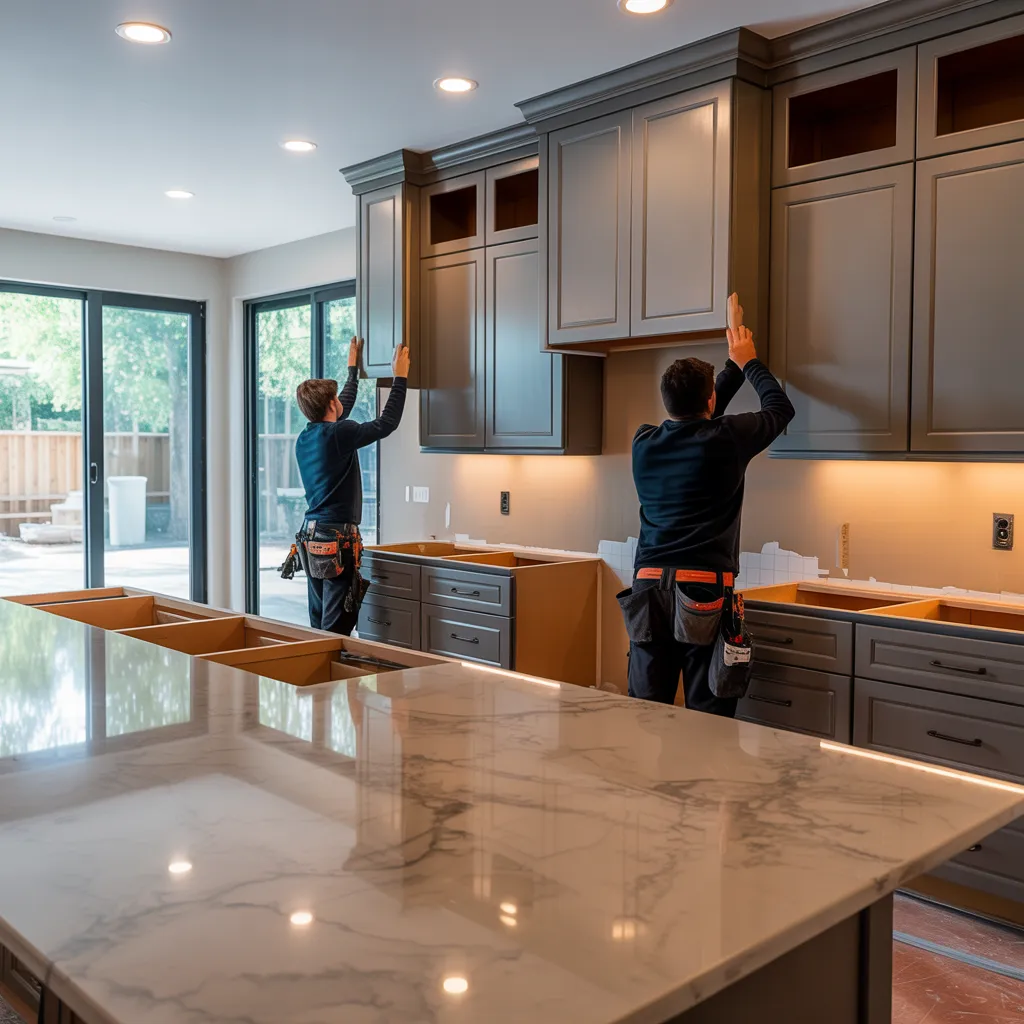
Why Deciding on the Best Remodeling Contractor Is Essential
Finding the best renovation professional can profoundly affect the outcome of any home renovation initiative. A competent contractor not only brings expertise and skill but also develops strong dialogue and joint effort throughout the renovation journey. This alliance assures that the homeowner's dreams is accurately manifested into tangible form, minimizing disconnects and costly mistakes.
Furthermore, a trustworthy contractor often has established relationships with suppliers and subcontractors, which can lead to better pricing and access to premium supplies. Timeliness is another vital factor; a reliable contractor adheres to schedules, thereby reducing construction setbacks and inconvenience.
In opposition, choosing an amateur or unqualified contractor can produce mediocre workmanship, spending overages, and stretched timelines. For this reason, the importance of careful decision-making cannot be overstated, as it fundamentally determines the success, quality, and satisfaction stemming from the finished assignment.
Essential Characteristics to Consider in a Home Renovation Contractor
When seeking out a home improvement contractor, multiple important qualities can greatly influence the success of the project. Most importantly, solid communication expertise are essential, enabling transparent conversations about project goals and schedules. Dependability is another key trait; a trustworthy contractor should consistently meet deadlines and stick to financial constraints.
Experience holds considerable importance as well; a contractor with a demonstrated expertise in related assignments can present useful insights and innovative approaches. Additionally, meticulous attention to detail is critical, ensuring that both visual appeal and practical function are factored in in the design process.
In summary, a strong portfolio highlighting previous work can foster confidence in the contractor's competencies. By prioritizing these traits—communication, reliability, experience, precision, and a solid portfolio—homeowners can make informed decisions when selecting a remodeling contractor, ultimately bringing about a successful overhaul of their space.
What Variants of Remodeling Assignments Are Preferred?
Which types of home renovation projects draw homeowners' focus these days? Kitchen and bathroom renovations rank at the top, since these spaces greatly enhance both functionality and aesthetics. Homeowners regularly desire contemporary designs, energy-efficient appliances, and premium materials. Open-concept living areas also continue favored, permitting seamless shifts between spaces and developing a more inviting atmosphere.
Outdoor entertainment areas are becoming increasingly popular, with elements like decks, patios, and outdoor kitchens proving indispensable for hosting guests. Basements are undergoing renovation into versatile spaces, serving as home offices, gyms, or extra recreational areas. Additionally, sustainability-focused projects are growing in popularity, with homeowners opting for eco-friendly materials and designs.
Finally, smart home technology integration is increasingly sought after, enabling homeowners to control illumination, safety systems, and temperature regulation with simplicity. These remodeling trends demonstrate a preference for improved quality of life, customized to personal tastes and daily routines.
Methods for Examining Prospective Contractors
Locating the right remodeling contractor is a pivotal step in guaranteeing a successful renovation project. To assess prospective contractors, one should start by reviewing their credentials, including licenses and insurance. Verifying these credentials protects against liability and guarantees compliance with local regulations.
Next, exploring collections of former projects renders insight into the contractor's character and craftsmanship. Client testimonials and feedback sources can offer significant assessments on reliability and work ethic. It is also imperative to account for the contractor's experience in specific types of remodeling projects that suit the property occupant's vision.
Furthermore, sourcing multiple estimates grants a cost and service evaluation among choices. Consistent communication as the evaluation unfolds conveys commitment and responsiveness. Ultimately, locating a contractor who reflects both renovation needs and personal standards can powerfully shape the final result of your renovation.
What Questions Should You Ask Before Engaging a Contractor?
When contracting a renovation expert, it is imperative to present important inquiries that reveal their competence. Important subjects involve their expertise and experience, along with their licensing and insurance status. Furthermore, understanding the projected expenses and duration connected with the work will ensure a fruitful collaboration.
Experience and Expertise
Reviewing the experience and expertise of a remodeling contractor is necessary for a smooth project. Homeowners should inquire about the contractor's years in the industry, focusing on the remodeling fields they concentrate on. It's helpful to request a portfolio presenting completed projects, as this gives insight into the contractor's expertise and design aesthetic. Furthermore, potential clients should look for references from previous clients to evaluate satisfaction and reliability. Understanding the contractor's approach to project management, timelines, and communication styles can further help reveal their expertise. Lastly, discussing any ongoing training or certifications can indicate a commitment to professional development with industry movements and techniques, guaranteeing a high-quality outcome for the remodeling endeavor.
Permits and Insurance
Confirming that a remodeling contractor maintains the proper licensing and insurance is essential for protecting both the homeowner and the integrity of the project. Homeowners should check the contractor’s licensing, verifying it complies with local regulations and industry standards. A valid license demonstrates that the contractor has met required qualifications and possesses the required skills. Insurance is also vital; it guards against potential liabilities, like accidents or property damage during the remodel. Homeowners should seek proof of insurance coverage, including general liability and worker’s compensation. This verification not only reduces risk but also fosters trust in the contractor’s professionalism. Overall, detailed checks on licensing and insurance are crucial steps in the hiring process for a remodeling contractor.
Project Timetable and Related Expenditures
A thorough grasp of the project timeline and costs is essential for homeowners before engaging a remodeling contractor. Homeowners should ask regarding the projected timeframe of the project, including key milestones and potential delays. It is important to request a comprehensive itemization of costs, encompassing materials, labor, and any extra fees that may occur.
Contractors must offer a clear payment schedule, detailing when payments are due and the conditions for each phase of the project. Homeowners must also talk about any contingencies for unexpected problems that might impact both timeline and budget. By tackling these elements upfront, homeowners can make informed decisions and reduce confusion, ensuring a smoother remodeling experience.
Establishing Your Home Renovation Financial Plan
How can homeowners allocate funds successfully for a remodeling project? A well-planned financial framework is essential for ensuring expenses remain manageable. First, property owners should establish a clear vision of their project, detailing particular goals and desired outcomes. Next, they should research prices for materials and workforce in their area to create estimates that are accurate. It's advisable to reserve an additional 10-20% of the overall budget for unforeseen expenses, which can commonly happen during renovations.
Creating a financial plan for expenditures is critical; homeowners need to separate must-haves from nice-to-haves, allowing adjustments if necessary. Working with a credible remodeling contractor can supply insights into potential cost reductions and cost-effective alternatives. Moreover, homeowners should preserve flexibility and receptiveness to adjustments during the process, as this adaptability can produce a more favorable outcome. Ultimately, careful consideration and proactive financial oversight can greatly enhance the remodeling experience.
Tips for a Smooth Renovation Experience
In any construction undertaking, effective communication between property owners and builders is essential in ensuring success. Establishing achievable schedules from the onset helps manage expectations and minimizes tension throughout the undertaking. By prioritizing these elements, homeowners can develop a more efficient and pleasant remodeling journey.
Clear dialogue is critical
Effective dialogue functions as the foundation of a successful renovation project. A clear exchange of ideas between the property owner and contractor ensures that goals align from the beginning. Regular updates and touchpoints help tackle issues before they intensify, creating a collaborative atmosphere. Homeowners should articulate their concept, budget, and preferences clearly, while contractors must deliver clear timelines and progress reports. Utilizing visual aids, such as sketches or samples, can further enhance understanding. Additionally, creating a main contact person reduces confusion and streamlines communication. By emphasizing transparency, both parties can navigate obstacles successfully, resulting in a smoother remodeling process. Ultimately, honest communication builds confidence and contentment, assuring the undertaking fulfills the property owner's aspirations.
Establish Practical Timelines in Beforehand
can help ensure both the builder and property owner stay coordinated regarding progress and expectations. Regular check-ins read the information can further guarantee that timelines remain aligned. By handling timelines with flexibility and clarity, property owners can reduce anxiety and improve the complete remodeling process
Popular Questions Asked Often
What is the standard duration for my remodeling project to be finished?
Typically, a remodeling project can take anywhere from a few weeks to several months, depending on the scope, intricacy, and size of the project. Effective planning and open dialogue can help optimize the timeline considerably.
What Warranties Do Home Renovation Professionals Typically Offer?
Remodeling contractors generally provide warranties spanning one to ten years, including workmanship and supplies. These protections guarantee protection against defects, offering homeowners peace of mind about the quality and durability of their remodeling projects.
Can I see samples of previous Projects?
Most remodeling contractors provide collections displaying past jobs. These examples often include photos and customer reviews, providing insights into their craftsmanship and aesthetic, assisting potential customers imagine the contractor's capabilities and quality of work.
How Do You Tackle Unforeseen Problems During Renovation Projects?
The contractor handles unexpected issues by performing comprehensive evaluations, keeping clients informed with clients, and employing creative problem-solving strategies. This forward-thinking method guarantees efficient resolutions while minimizing delays and maintaining project quality throughout the remodeling process.
Will I Be Required to Acquire Permits for My Project?
Yes, acquiring permits is frequently necessary for home renovation. Requirements differ by location and project scope, so it is crucial to review local building codes and speak with professionals to maintain compliance and avert potential fines.